3. SHELF it · Book Review Actions · Book Reviews · Fiction · Relationships

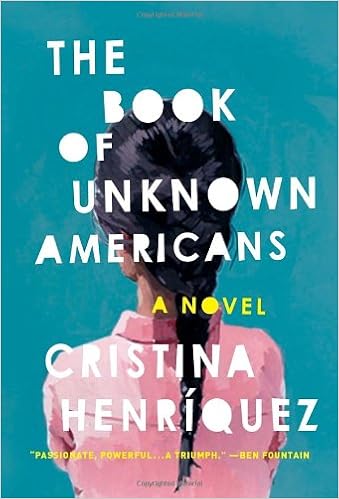
BR 238: The Book of Unknown Americans by Cristina Henriquez

Category: 3 – SHELF it (All Categories are 1 – Read ASAP!, 2 – BUY it!, 3 – SHELF it, 4 – SOMEDAY it)

Comments: I read this over the holidays at the end of the year. It is a beautiful, poignant, story of a Mexican family who made it over the border to live a better life in the United States. I read it as a friend shared it as among her favorite books of the moment. Books have this magical ability to open your eyes to what someone else is going through.

This book does just that.

2. BUY it! · Career · Leadership · Management · Self Improvement

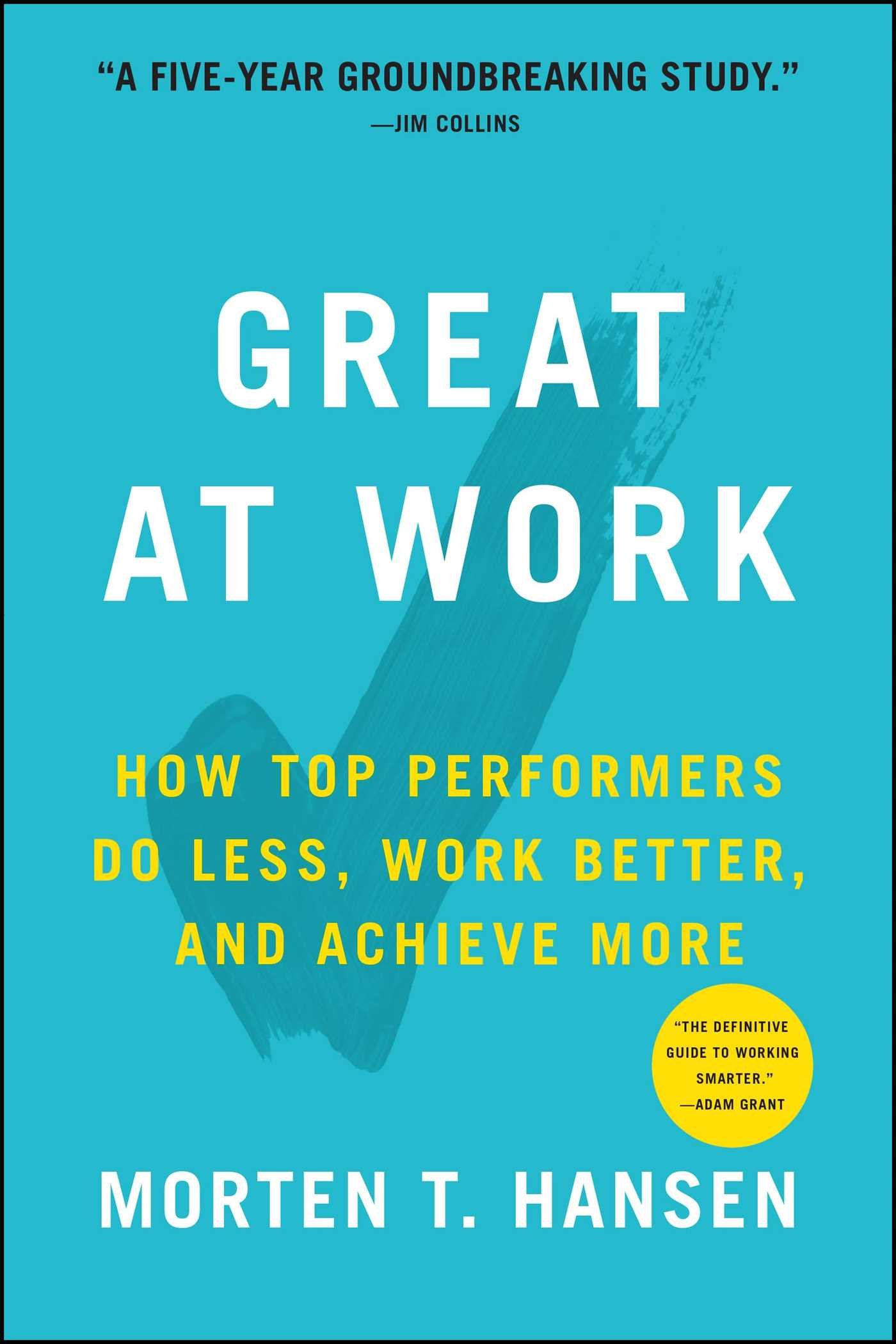
BR 237: Great at Work by Morten Hansen

Category: 2 – BUY it! (All Categories are 1 – Read ASAP!, 2 – BUY it!, 3 – SHELF it, 4 – SOMEDAY it)

Comments: Morten Hansen kicks this book off sharing that he thinks of this book as the work accompaniment of the 7 Habits of Highly Effective People by Stephen Covey (he also has 7 work principles). As someone who thinks of the 7 Habits as the best book I’ve read, this is a bold claim. But, and here’s the best part, his book lives up. I found it insightful, useful, and applicable. This book was part of my end-of-year reflection and will be a big part of my “get better” themes for 2019. And, it is a book I wish I had when I started my career.

First 3 principles:

  1. “Do less, then obsess.” In sharing the difference between the South pole expeditions of Robert Scott and Ronald Amundsen, Morten Hansen makes an interesting point on focus. Amundsen focused completely on one form of transportation – dogs – while Robert Scott struggled with five.
  2. “Redesign your work for value.” Cutting priorities isn’t enough. We need to obsess about value. Value = Benefits to others x effectiveness x efficiency.
  3. “Passion + Purpose.” Purpose is when you make valuable contributions to others or society that you find meaningful and doesn’t do harm. Purpose asks what can I contribute while passion asks the opposite. Match both.

Every principle resonated.
2. BUY it! · Career · Marketing · Skills

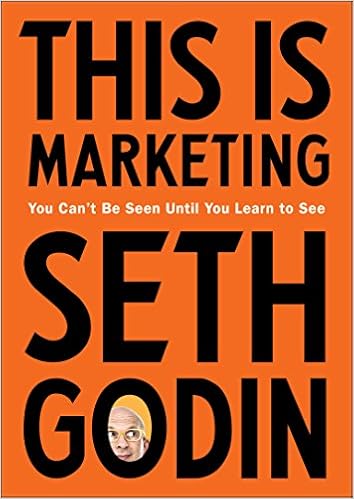
BR 236: This is Marketing by Seth Godin

Category: 2 – BUY it! (All Categories are 1 – Read ASAP!, 2 – BUY it!, 3 – SHELF it, 4 – SOMEDAY it)

Comments: “Marketers help drive change for the people they serve. Change happens with trust and tension.” All of Seth’s work drives home a few vital points – if we seek to drive change for people we serve, we are marketers. And, in the long run, our ability to be good marketers comes from consistently acting in a way that wins trust. And, we win trust by behaving in a trustworthy manner in whatever we do.

Top 3 Lessons:

  1. The famous adage about people buying a hole versus a drill still misses the point. People don’t buy the hole, they buy the shelf, cleanliness, and eventually the satisfaction of being clean. People buy experiences.
  2. The symbols and logos you use are part of your brand – a set of expectations. Brand is a set of associations that people care about.Direct marketing involves measuring everything. Brand doesn’t. Refuse to measure brand marketing – you should only do it if you are willing to be consistent and patient.People associate frequency with trust. Don’t change ads or what you’re communicating when you are tired. :) (Question for myself – what is my brand? What are the consistent messages?)
  3. In the 1960s, legendary salesman and coach Zig Ziglar used to sell pots and pans. The standard approach for a salesperson at the time was to hit a new town, sell as many pots and pans over the course of a day, and drive out to the next one. However, Zig did it differently. When he picked a town, he moved in for a few weeks. He made sure he got the early adopters his colleagues got on day one. But, then, he stayed long enough to make friends, organize dinners, and get to know the community. As his behavior was so unusual, he began winning the trust of the folks on the other side of the chasm until he’d successfully sold his wares to anyone in the town who had a need for them. The magic of Zig’s approach was to intentionally commit to being patient to make the change he sought to make.
3. SHELF it · Money

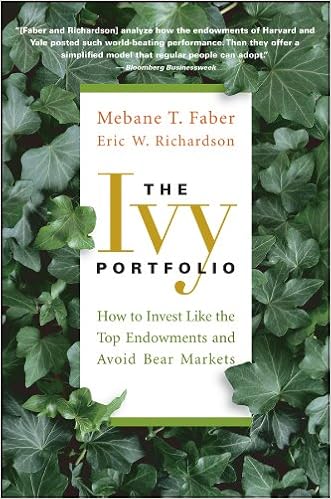
BR 235: The Ivy Portfolio by Meb Faber

Category: 3 – SHELF it (All Categories are 1 – Read ASAP!, 2 – BUY it!, 3 – SHELF it, 4 – SOMEDAY it)

Comments: Interesting compilation of how endowment managers of the best Ivy league endowments manage their money. Very applicable to personal investing and offers a sliding scale of actions depending on how actively you want to manage your money.

Top 3 Lessons:

  1. Ivy portfolio is 20% each for
    • us stocks
    • International stocks (VWO has emerging stocks or GWX, EWX)
    • Bonds (consider TIPS)
    • Commodities – DBC, GSG (international) – could also do DBA, DBB, DBE, DBP
    • Real estate – VNQ, RWX (foreign real estate), IGF (infrastructure)
  2. If you really want to buy individual stocks, all institutional investors disclose their individual stock holdings. Why would you not follow them?
3. SHELF it · Business · Entrepreneurship · Technology

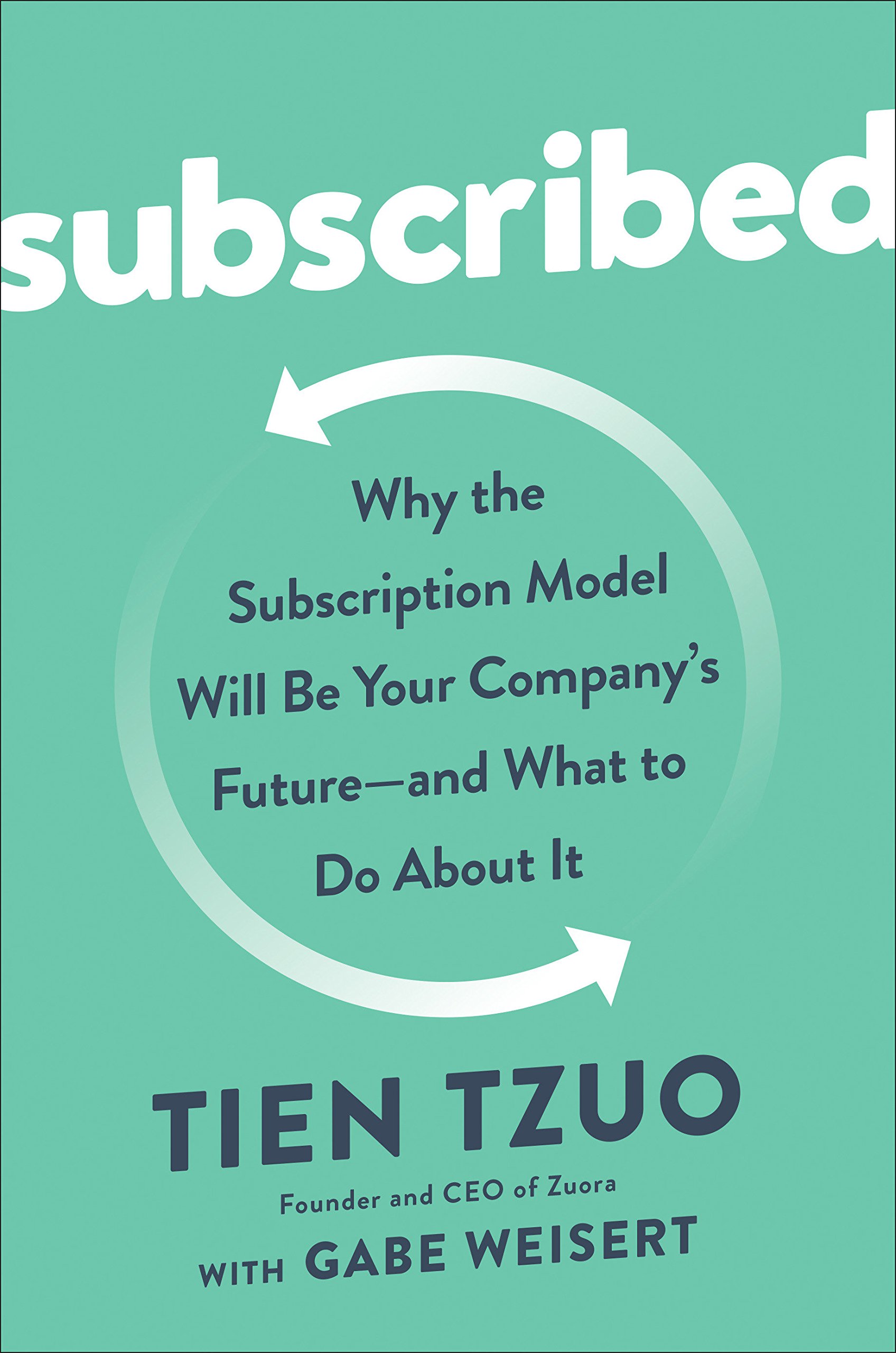
BR 234: Subscribed by Tien Tzou

Category: 3 – SHELF it (All Categories are 1 – Read ASAP!, 2 – BUY it!, 3 – SHELF it, 4 – SOMEDAY it)

Comments: This felt like subscription economy 101.. I guess I expected more. :)

Top 3 Lessons:

  1. With subscriptions, product companies are replaced by companies who put the customer first.
  2. When we said newspapers and music were dead, what we were really saying is that the old business model was dead.
  3. The move from access to ownership means everyone is creating a subscription business. And the presence of sensors means even old manufacturers are embracing it. Schneider electric is making elevators default to most used floors for example.
1. Read ASAP! · Career · Leadership · Parenting · Psychology · Relationships · Self Improvement · Skills

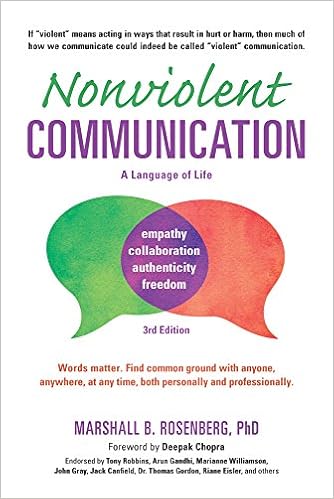
BR 233: Non violent communication by Marshall Rosenberg

Category: 1 – Read ASAP! (All Categories are 1 – Read ASAP!, 2 – BUY it!, 3 – SHELF it, 4 – SOMEDAY it)

Comments: Simple, profound, life changing. Someone I know describes this as “algebra” for communication – a must read for anyone who communicates (i.e. all of us). I think that’s a great description. Putting this book to action will be my top focus in 2019.

Top 3 Lessons:

  1. Keeping observation and evaluation separate in our thinking and communication is one of the hardest things to do. There’s a time to observe and a time to evaluate – almost never a good idea to do both at the same time.Words like always and never communicate evaluation. Communicating observations can be powerful.
  2. I feel is often misused when we use it so say things we think. “I feel I’ve been mistreated” or I feel misunderstood or I feel you..
  3. We don’t know how to communicate needs. :) empathic listening is all about listening to feelings and needs.
2. BUY it! · Creativity · Novel Concepts and Interesting Research · Psychology · Technology

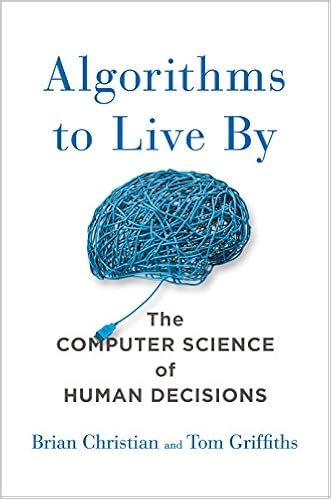
BR 232: Algorithms to Live By Brian Christian and Tom Griffiths

Category: 2 – BUY it!* (All Categories are 1 – Read ASAP!, 2 – BUY it!, 3 – SHELF it, 4 – SOMEDAY it)

Comments: Really fun, geeky, book that doubled up as being insightful and applicable.

Top 3 Lessons:

  1. Explore/exploit: Exploration early in the lifecycle is the right strategy. Kids were considered intellectually deficient. But, as researchers opened up to the idea that they were in the exploration phase of their life, it made sense. Same with smaller social networks for the elderly.
  2. Wrong lesson from the marshmellow test. University of Rochester researchers exposed kids to an adult who promised to bring them better supplies but didn’t. When those kids were exposed to the marshmellow test, they did far worse.Willpower is important in enabling kids to be successful. But, it is likely more important for kids to grow up in an environment where they trust the adults they grow up with. Still a small sample (28 kids) but worth revisiting the learning.
  3. Prisoner’s dilemma has a dominant strategy that is worse for everyone. Unlimited vacation works like that because everyone wants to be perceived as a little more hard working. Equilibrium is 0.
    The only way companies can get around that is by shifting equilibrium – e.g. enforce x weeks of mandatory vacation.
2. BUY it! · Career · Novel Concepts and Interesting Research · Philosophy

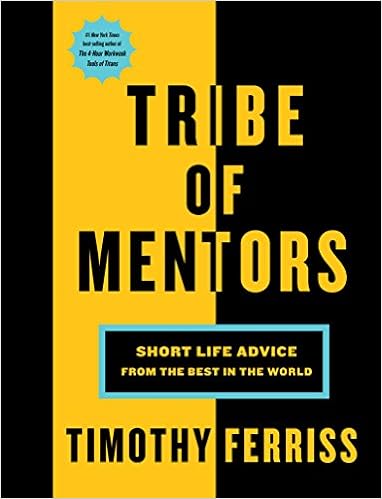
BR 231: Tribe of Mentors by Tim Ferris

Category: 2 – BUY it!* (All Categories are 1 – Read ASAP!, 2 – BUY it!, 3 – SHELF it, 4 – SOMEDAY it)

Comments: An enjoyable book with many nuggets of life advice that will likely resonate with you depending on when you read it.

Not top, but the first 3 Lessons:

  1. Susan Cain – “You will hear so many stories of people who risked everything in order to achieve this or that goal, especially creative goals. But I do not believe that your best creative work is done when you’re stressed out because you’re teetering on the edge of bankruptcy or other personal disasters. Just the opposite. You should set up your life so that it is as comfortable and happy as possible — and so that it accommodates your creative work.”
  2. Tim Urban – “Society loves to glorify the “you-as-CEO” paths and make people who don’t want to be the CEO of their own career feel inferior about their path, but neither of these paths is inherently better or worse than the other — it just depends on your personality, your goals, and what you want from a lifestyle. There are some super smart, talented, special people whose gifts are best expressed as CEO and others whose are best expressed when someone else is worrying about keeping the lights on and you can just put your head down and focus on your work. Likewise, there are some people who need to be CEO to find their work fulfilling and others for whom being CEO and having their work bleed into everything is a recipe for misery.”
  3. Graham Duncan – “I like to think about careers through Dan Siegel’s model of a river flowing between two banks, where one side is chaos and the other side is rigidity.. It’s critical to remember you can always choose to course-correct and swim toward structure or chaos, apprenticeship or freedom, depending on what you need at that moment, what tempo and phase of your career you want to be in, which riverbank you’re coming from and where you want to go.” Advice to himself – be more patient with the rigid side where you’ll likely find yourself in your early life.”

There are literally the first 3 quotes from my book notes. There are many ideas that have stuck with me. R

1. Read ASAP! · History · Novel Concepts and Interesting Research · Psychology

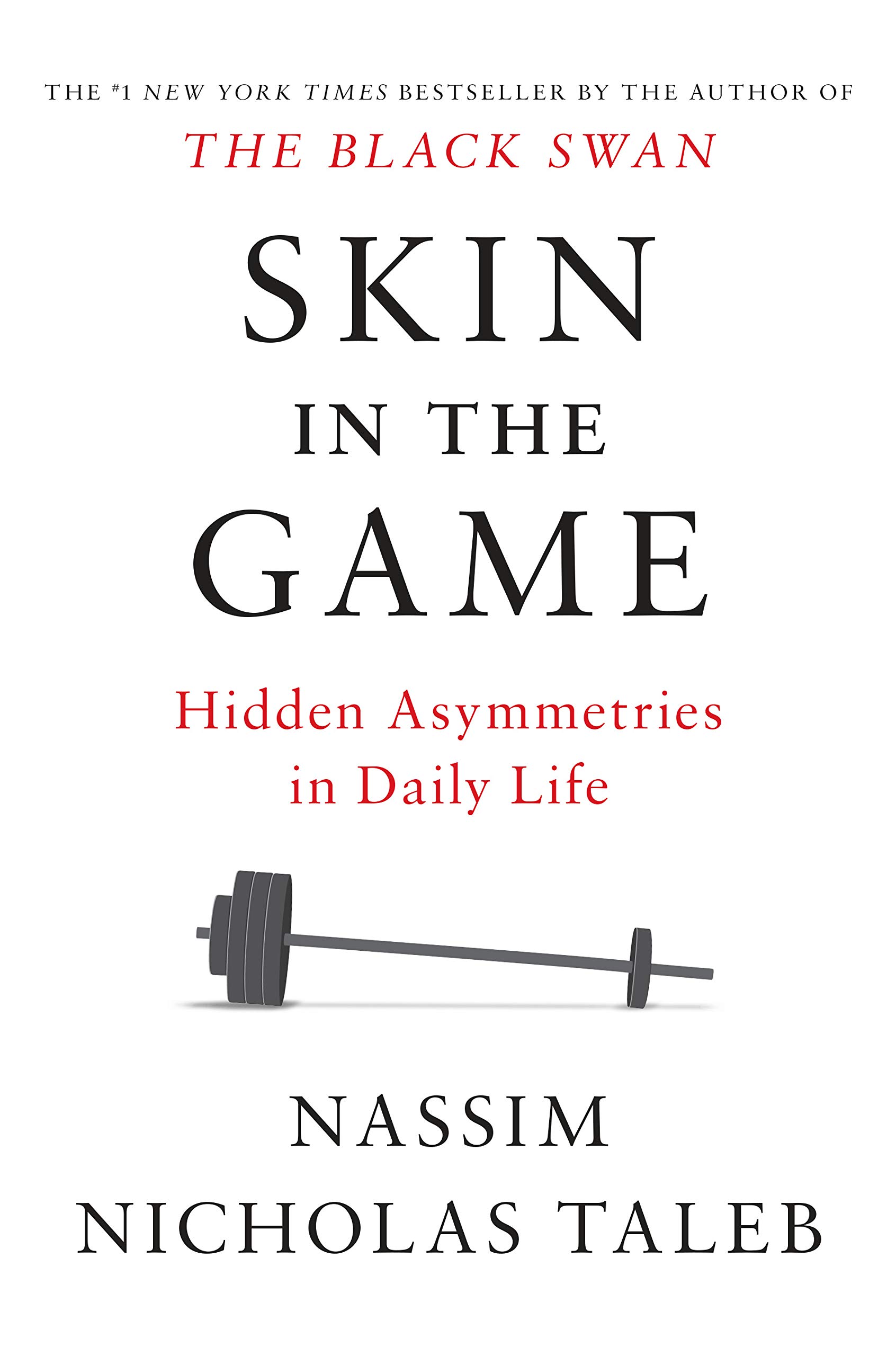
BR 230: Skin in the Game by Nassim Taleb

Category: 1 – Read ASAP! (All Categories are 1 – Read ASAP!, 2 – BUY it!, 3 – SHELF it, 4 – SOMEDAY it)

Comments: Albert Wenger has a great post explaining why you should read “Skin in the Game” that sums up my thoughts. Nassim Taleb is a brilliant jerk and it comes through in the book. There are moments of brilliance that make it well worth the experience and then there are moments when you are left shaking your head at his desire to pick fights and insult people for the sake of doing so. Albert also makes a great point at the end about reading books from folks we may not always agree with – “This is a good moment to point out that we should all seek out writers with whom we disagree at least some of the time. If we only read books by authors where we agree with every one of their tweets, why bother? What are we expecting to learn? Too many times we are letting our emotional reaction to something an author has said or done stand in the way of engaging with their arguments. Taleb certainly provokes a strong reaction at times, but by all means read “Skin in the Game” nonetheless.”

Top 3 Lessons:

  1. When someone says it is good for you when it is also good for them and when they don’t face downside, it isn’t good for you.
  2. Better fences make better neighbors. It is easier for people to like each other as neighbors than roommates. Interventionists keep trying to get people to not act sectarian when being sectarian is in our nature. Better to use that to keep groups and design systems that encourage us to work with each other. (Powerful implications in management and life)
  3. Loss aversion doesn’t exist (big statement!). The flaw in psychology papers is to believe that the subject doesn’t take any other tail risks anywhere outside the experiment and will never take tail risks again. The idea of “loss aversion” have not been thought through properly –it is not measurable the way it has been measured (if at all mesasurable). Say you ask a subject how much he would pay to insure a 1% probability of losing $100. You are trying to figure out how much he is “overpaying” for “risk aversion” or something even more stupid, “loss aversion”. But you cannot possibly ignore all the other present and future financial risks he will be taking. You need to figure out other risks in the real world: if he has a car outside that can be scratched, if he has a financial portfolio that can lose money, if he has a bakery that may risk a fine, if he has a child in college who may cost unexpectedly more, if he can be laid off. All these risks add up and the attitude of the subject reflects them all. Ruin is indivisible and invariant to the source of randomness that may cause it.