
BR 190: The Inevitable by Kevin Kelly
Somewhere in here is a book that could change your life…
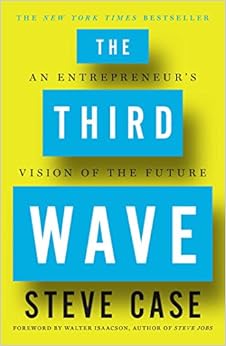
Category: 4 – SOMEDAY it (All Categories are 1 – Read ASAP!, 2 – BUY it!, 3 – SHELF it, 4 – SOMEDAY it)
Comments: This book read as part autobiography, part technology book, part political change manifesto. It was an interesting read until a point after which I felt it got a bit repetitive. I definitely agreed with his thesis that working with the government will become critical for the next generation/”third wave” of entrepreneurs. I also enjoyed Steve Case talking about his time at AOL as this was a part of internet history I didn’t experience.
Top 3 Learnings:
1. The first wave was the start of the internet. The second was the social wave and was about communication and social media. The third wave will be the internet of everything.
2. As entrepreneurs attempt to disrupt large industries, they will need to partner more with incumbents and the governments. It will not be possible to disrupt industries like infrastructure and energy from the outside like in the second wave. Regulatory nous will be key as there will be plenty of government interaction in the third wave.
3. Entrepreneurs often slam the government as holding them back. However, the internet wouldn’t exist if it wasn’t for government programs. Build bridges instead of burning them.

Category: 3 – SHELF it (All Categories are 1 – Read ASAP!, 2 – BUY it!, 3 – SHELF it, 4 – SOMEDAY it)
Comments: The contents and philosophy behind this book is very close to my heart as I’m heading to work at LinkedIn post school. A lot of it felt very familiar and true from my experience at LinkedIn over the summer. Thanks Reid – for sharing it with the world.
Top 3 Learnings:
1. The best way to retain talent is to accept the fact that talented folks will want to leave. Plan for that.
2. Build talent management around “tours of duty.” These are “missions” of sort which challenge talented employees for a certain period of time and ensure a win-win scenario for both the company and the employee.
3. The best companies treat employee relationships as a two-way alliance. This lasts long after the employee leaves the company.
Book notes here.

Category: 4 – SOMEDAY it (All Categories are 1 – Read ASAP!, 2 – BUY it!, 3 – SHELF it, 4 – SOMEDAY it)
Comments: This is a user experience book that attempts to structure how you build tools (in this case, websites) that result in a good user experience.
Top Learning: Book notes here (it is the sort of book I might come back to when I’m designing a website)

Category: 3 – SHELF it (All Categories are 1 – Read ASAP!, 2 – BUY it!, 3 – SHELF it, 4 – SOMEDAY it)
Comments: Good book – especially if you are interested in technology. Lots of interesting points of view on why Google chose to operate the way they did. This is particularly applicable because many of the best known technology firms followed Google’s lead in terms of workplace environment.
I do think there’s an important causality issue in the book’s logic. Eric and Jonathan often make it sound that the way they built Google’s culture and norms resulted in Google’s success. I think it is the other way around – their extraordinary technical insight enabled them to build their unique culture and norms which, in turn, reinforced their technical superiority.
Top 3 Learnings:
1. Open plan officers are important for creative work as they result in “collisions” of people that result in ideas being passed around. They are also important as they keep cross functional teams working together. It is just vital that you find ways to have workspaces where introverts can go and focus/get alone time as necessary.
2. Why have perks? Make the office a place where people really want to come to work. The more people want to work from home in jobs that require teamwork and creativity, the more you have a problem.
Book notes here.

Category: 3 – SHELF it (All Categories are 1 – Read ASAP!, 2 – BUY it!, 3 – SHELF it, 4 – SOMEDAY it)
Comments: This book didn’t live up to the hype for me – likely because I’d read Thiel’s thinking around monopoly businesses on the internet before the book.
Top 2 Learnings:
1. Horizontal progress is when we take an idea that works in one place and copy it everywhere else. Vertical progress is true technological innovation (0 to 1).
2. Monopoly businesses are the best. Competition is for losers.

Category: 3 – SHELF it (All Categories are 1 – Read ASAP!, 2 – BUY it!, 3 – SHELF it, 4 – SOMEDAY it)
Comments: If you have any interest in technology whatsoever, this book is a must read. Awesome awesome 140 odd year journey starting from when Charles Babbage and Ada Lovelace conceptualized the modern computer.
Top 3 Learnings:
1. History favors writing about the individual but great innovations were always made by teams that worked incredibly well with each other.. and almost always built upon the good work done by many others.
2. A collection technology change makers have been at the intersection of the arts and sciences (e.g. Steve Jobs). The big learning here is that diversity of skills, interests, etc., are really productive. The greatest tech innovations have come about when diverse minds came together.
3. Artificial intelligence has always been two decades away.. (;-))
Book notes here

Category: 3 – SHELF it (All Categories are 1 – Read ASAP!, 2 – BUY it!, 3 – SHELF it, 4 – SOMEDAY it)
Comments and Learning:
1. Same as ‘Cracking the PM Interview’ – really good book if you are preparing for Product Management interviews in technology
2. Learnings here

Category: 3 – SHELF it (All Categories are 1 – Read ASAP!, 2 – BUY it!, 3 – SHELF it, 4 – SOMEDAY it)
Comments and Learning:
1. Top book if you are preparing for Product Management interviews in technology – this book was very helpful in my internship recruiting quest in the first year of my MBA
2. Book learnings here

Category: 3 – SHELF it (All Categories are 1 – Read ASAP!, 2 – BUY it!, 3 – SHELF it, 4 – SOMEDAY it)
Comments and Learning:
1. This is a very important book – designers all over have probably read this book. I think of it as a must read if you are interested in anything to do with design. I read this as I was thinking of product design.
2. If a user keeps making an error when using your product, the problem is with your product.
3. Learnings here
 Marler's Observatory