2. BUY it! · Book Review Actions · Book Reviews · Novel Concepts and Interesting Research · Psychology · Relationships · Self Improvement

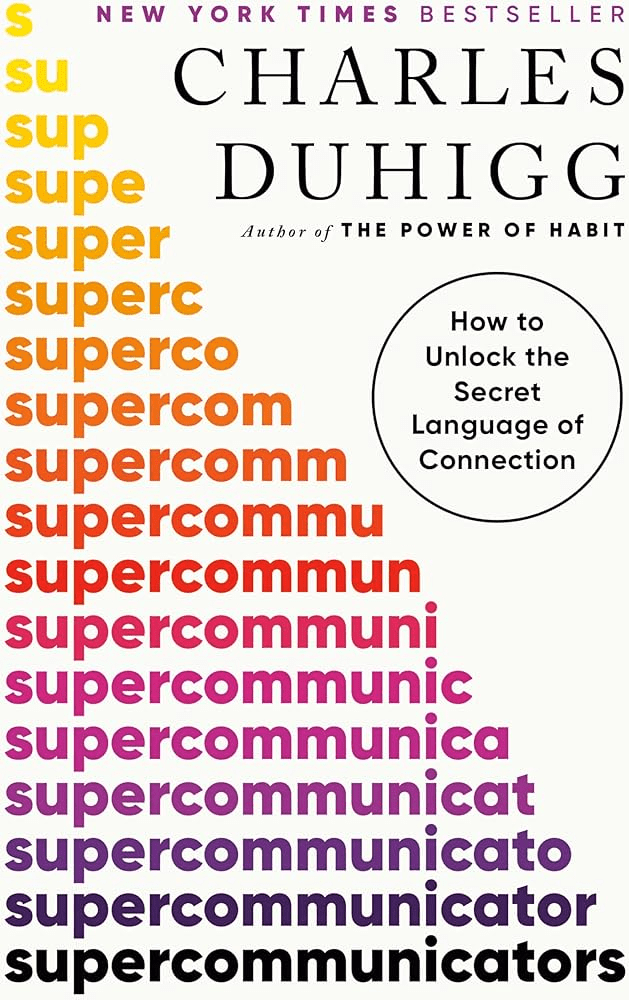
BR 315: Supercommunicators by Charles Duhigg

Category: 2 – BUY it! (All Categories are 1 – Read ASAP!, 2 – BUY it!, 3 – SHELF it, 4 – SOMEDAY it)

Comments: Solid book with a nice combination of stories and research about great communication.

Insights that resonated: 

(1) What kind of conversation are we in: Does the other person want to be helped, hugged, or heard?

(2) Effective communication often comes down to our ability to match the mood and energy of the person we’re communicating with. 

(3) The most powerful thing we can do to show that we are seeking to understand and not to be understood in a tense conversation is to: (a) take the time to wait for the person to finish, (b) then play back what we understood and, (c) check if what we understood was what they were trying to say.

(4) “While there are many factors that determine if a romantic relationship succeeds or flounders, one key factor is whether makes the people in it feel more in control of their happiness or less in control of their happiness.”

In detailed examinations of conversations among unhappy couples, researchers found that the partners tended to focus on trying to control the other person. For example, they might say “don’t go there” or “don’t use your voice against me” or “you always do this all that.”

Happy couples instead focused either on controlling themselves or the environment. For example, they’d talk slower and make sure that they kept that cool. The key with happy couples was focusing on things that they could control together and ensuring that they kept an argument as small as possible, instead of letting it expand into other areas and throwing “the kitchen sink” at each other.

(5) Social identities have a noticeable impact in our behavior. For example, without any intervention, studies with graduate level students found that women consistently performed consistently worse than men in math tests. That’s because, by default, they were aware of a stereotype that women are worse at math than men.

However, in tests where these women were reminded of other identities, e.g. that of a puzzle-solver or a successful sportsperson, the performance differences disappeared.

These identities matter a ton in communication because conflicts escalate when they move from being about the topic to being perceived as threatening the person’s identity.

That’s where motivational interviewing comes in. With tricky issues, motivational interviewing focuses on asking questions to help a person understand both sides of an issue and why they might be for against it.

The goal isn’t to persuade – it is to simply understand both sides of the issues and reinforce that there are other identities they could choose. He made the point with fascinating examples involving polarizing issues such as gun rights and vaccines.

(5) From 7 decades of data from the famous Grant study, the people who were most satisfied in the relationships at age 50 were the healthiest and happiest at age 80. One researcher put it bluntly – “The most defining factor for happiness and satisfaction of life is love, not romantic love, but the love and connection with our friends, family, coworkers and their community.”
1. Read ASAP! · Book Review Actions · Book Reviews · History · Novel Concepts and Interesting Research · Technology

BR 314: How Innovation Works by Matt Ridley

Category: 1 – Read ASAP! (All Categories are 1 – Read ASAP!, 2 – BUY it!, 3 – SHELF it, 4 – SOMEDAY it)

Comments: Matt Ridley’s “How Innovation Works” was rich with insight. A great book.

Insights that resonated:

(1) “The main ingredient in the secret sauce that leads to innovation is freedom. Freedom to exchange, experiment, imagine, invest and fail; freedom from the expropriation or restriction by chiefs, priests and thieves. Freedom on the part of consumers to reward the innovations they like and reject what they don’t.”

This note from the final chapter is a point Ridley makes again and again. History has repeatedly shown free societies to be more innovative.

(2) Innovation works better bottoms up vs. tops down and when there is less burden of regulation. Example after example demonstrates how empires resist innovation (and even outright ban it). And, for a simple example of how burden of regulation kills innovation, we can look at how Europe’s regulatory changes over the past decade have only resulted in incumbents getting more entrenched and in the citizens of Europe getting access to sub-par technology.

(3) Regulation hobbles innovations because it increases the cost of learning. When learning costs go up, it is hard for us to iterate. Nuclear energy is a stand out example of this.

Also, regulation changes incentives. Instead of people spending energy to invent new things, they spend their energy in making friends with the government to bend the rules.

Iteration is key – it is what has saved millions of lives from diseases like whooping cough and malaria.

(4) “Innovation happens not within but between brains.” The “great man” theory is one we’ve created out of convenience and due (more recently) to intellectual property law.

Innovation has consistently arrived because of humans who chose to build on the work of their rivals and predecessors and combine existing ideas in interesting ways.

Crucial innovations are often thought to have been accelerated by war. However, most innovation has happened incrementally and has been driven forward by many people.

Innovations come when their time comes – regardless of the people involved.

(5) Growth never needs to stop. The nature of growth is such that we first figure out how to produce more. Then we learn how to produce more with less. Until our efficiencies far outweigh our appetite.

Light is a great example. Once the cost of light goes down, more people leave their lights on. However, the efficiency of LEDs mean we’re more efficient than ever before.

(6) Every innovation has been resisted. Politicians in India and Pakistan resisted the Green revolution. Europe was prejudiced against the humble potato.

These are examples of innovations that made their way through (most good ones make it over time). However, there are examples of innovations that haven’t – in multiple places because of successful smear campaigns.

Then again, there are others that were delayed. For example, Dyson fought a decade long battle to get its innovative bag-less vacuum cleaner approved in the EU (crazy, I know).

In effect, there is no such thing as a no brainer. As long as incentives to resist something exists, resistance will exist.

(7) “The main theme of human history is that we become steadily more specialized in what we produce, and steadily more diversified in what we consume: we move away from precarious self-sufficiency to safer mutual interdependence.”

Beautifully put.

1. Read ASAP! · Book Review Actions · Book Reviews · Health · Novel Concepts and Interesting Research

BR 312: Good Energy by Casey Means

Category: 1 – Read ASAP! (All Categories are 1 – Read ASAP!, 2 – BUY it!, 3 – SHELF it, 4 – SOMEDAY it)

Comments: When I reflect on books that have had the most profound impact on my life, this book is likely #2 on the list after Stephen Covey’s 7 Habits.

Insights that resonated:

(1) The conventional medical system is good at dealing with any acute issue that requires urgent attention. For anything chronic, it is useless.

(2) It is useless because it focuses on treating symptoms in silos rather than understanding the body as a whole. Dr Means makes the case that most chronic issues have the same underlying cause – metabolic dysfunction. When our metabolism works well, our cells are able to process all the energy we ingest and produce “Good Energy.” When it doesn’t, it leads to “Bad Energy” and this shows up with all sorts of chronic ailments and longer-term issues like diabetes.

(3) To clean up our act, we need to do 3 things.

First, we need to eat stuff that results in good energy. In simple terms, this means staying away from anything processed and eating a diverse collection of foods.

Second, it means respecting our biological clock. Sleeping well, respecting our circadian rhythms by getting enough sunlight and eating timely meals so our digestive system has time to do its work.

Third, it means doing things that modern lifestyles have taken away – movement, exposure to varying temperatures, and non-toxic living. Our bodies do better when they’re exposed to varying temperatures and, of course, the less toxins/more organic materials we use, the better.

While this is the high-level summary, I think Casey Means’ book excels in the detail. For all fellow fans of Peter Attia’s Outlive, I think this book is a great complement that outdoes Outlive in a few respects.

The single biggest takeaway from Outlive is the importance of exercise. Specifically, focusing on stability/mobility, then more time in Zone 2, then improving our grip strength, and growing our V02 Max by working out at high intensity. This takeaway alone has had a profound impact on my life.

Next, it emphasized the importance of protein and sleep. Those changed how I approached things too.

My only gripe with the book was that Peter Attia often recommended expensive scans and rushed to treatment (e.g., strong recommendations for statins) the moment he saw a symptom trending in the wrong direction.

Casey Means, on the other hand, takes an approach that feels closer to first principles. She focuses on lifestyle changes first. That resonated.

Since reading this book, I’ve been on a mission to “clean up my act.” Here are a few changes I’m working on:

(1) Sleep: I haven’t needed any convincing on the importance of sleep and generally sleep 7-8 hours daily, and longer on weekends. However, I still did a 6 hour day once every 2 weeks. I’ve been doing a better job at holding the line at 7 hours minimum.

(2) Movement: Casey Means did a good job explaining the importance of movement throughout the day. One small change has been targeting 7000 steps every day. I notice I don’t hit this when I’m working from home – so there’s more work to do here.

I’ve been more religious about the morning run once the sun rises to get light. And I’m working on adding 20 push ups every day.

(3) Nutrition: My morning protein shake used to have spinach and fruits. I incorporated seeds (Flax, hemp, chia) recently. I’ve added a scoop each of plant protein and whey as well.

I’ve become more disciplined about salad, nuts, and such during the day. And I’ve switched from white rice to (traditional) red rice and have reduced quantities over time. I’ve grown up as a rice eater – so this is a big change.

(4) Meal timing: The next big change is eating closer to 2 hours before bed. This is a no-brainer move – and way better than my previous average of 15 minutes. The other related change is going for a 15 minute walk after dinner most days to aid digestion.

(5) Next on the roadmap: I plan to go back to trying a CGM/continuous glucose monitor in the new year. I’d first tried one a few years ago and didn’t make the most of it. I know better now and I’m excited to try it and then follow it up with a few blood tests to see if these changes are taking effect.

(6) What I don’t intend to do: It is also worth calling out what I don’t intend to do. First on that list is cold water/ice baths. I’m all for naturally exposing my body to varying temperatures. But this feels like punishment I’d love to avoid unless absolutely necessary.

Second, Casey Means is a proponent of removing all grain/rice altogether from my diet. One idea I’ve applied as I’ve made changes is to ensure I’m ensuring there is a feeling of joy vs. punishment. I love rice. I’ve come to realize I can eat a lot less of it and I can also switch to low glycemic index/more nutritious varieties easily. I plan to do that.

One of the central tenets of this blog is “to learn and not to do is not to learn.” Outside of shaping my synthesis on diet and metabolism, the number of changes I’m working on is testament to how it has inspired a profound learning experience. It is among the most impactful I’ve ever read.

And for that, I’m grateful.

3. SHELF it · Book Review Actions · Book Reviews · Novel Concepts and Interesting Research · Technology

BR 311: How Infrastructure Works by Deb Chachra

Category: 3 – SHELF it (All Categories are 1 – Read ASAP!, 2 – BUY it!, 3 – SHELF it, 4 – SOMEDAY it)

Comments: I think a more accurate title would probably have been “Reflections on Infrastructure.” The title hints at a more systematic examination of infrastructure. This book wasn’t that. Instead, it was a nicely put together set of reflections about infrastructure. Still a very nice read – just not what the title might suggest

Insights that resonated: 

(1) The word infra means below or beneath. Infrastructure is a collection of the many systems below the surface that makes our life possible. It is, by nature, transparent. When it works, we just see right through it.

(2) Essential infrastructure goes from luxury to utility to a political right. The internet is a great example of this. It started as a luxury, then became a utility, and is on its way to becoming a political right.

(3) The challenge with addressing climate change until a few years ago was that our carbon emissions were directly tied to our consumption – more consumption meant more fossil fuels burnt. As societies advance, their energy needs grow. So, addressing climate change directly meant advocating a regression in lifestyle.

However, thanks to the incredible advances in renewables, we can now think of fossil fuels as a transition state. They were very useful while they were around. But we get to experience a future where energy is more abundant than ever before. <1% of the energy from the sun would comfortably meet all of humanity’s energy needs.

(4) The marvelous Dinorwig power station/electric mountain in Wales is a great example of how we are capable of creating elegant sustainable solutions for our energy needs. More in this post.

(5) “If you don’t schedule time for maintenance, your equipment will do it for you.”

3. SHELF it · Book Review Actions · Book Reviews · Career · Novel Concepts and Interesting Research

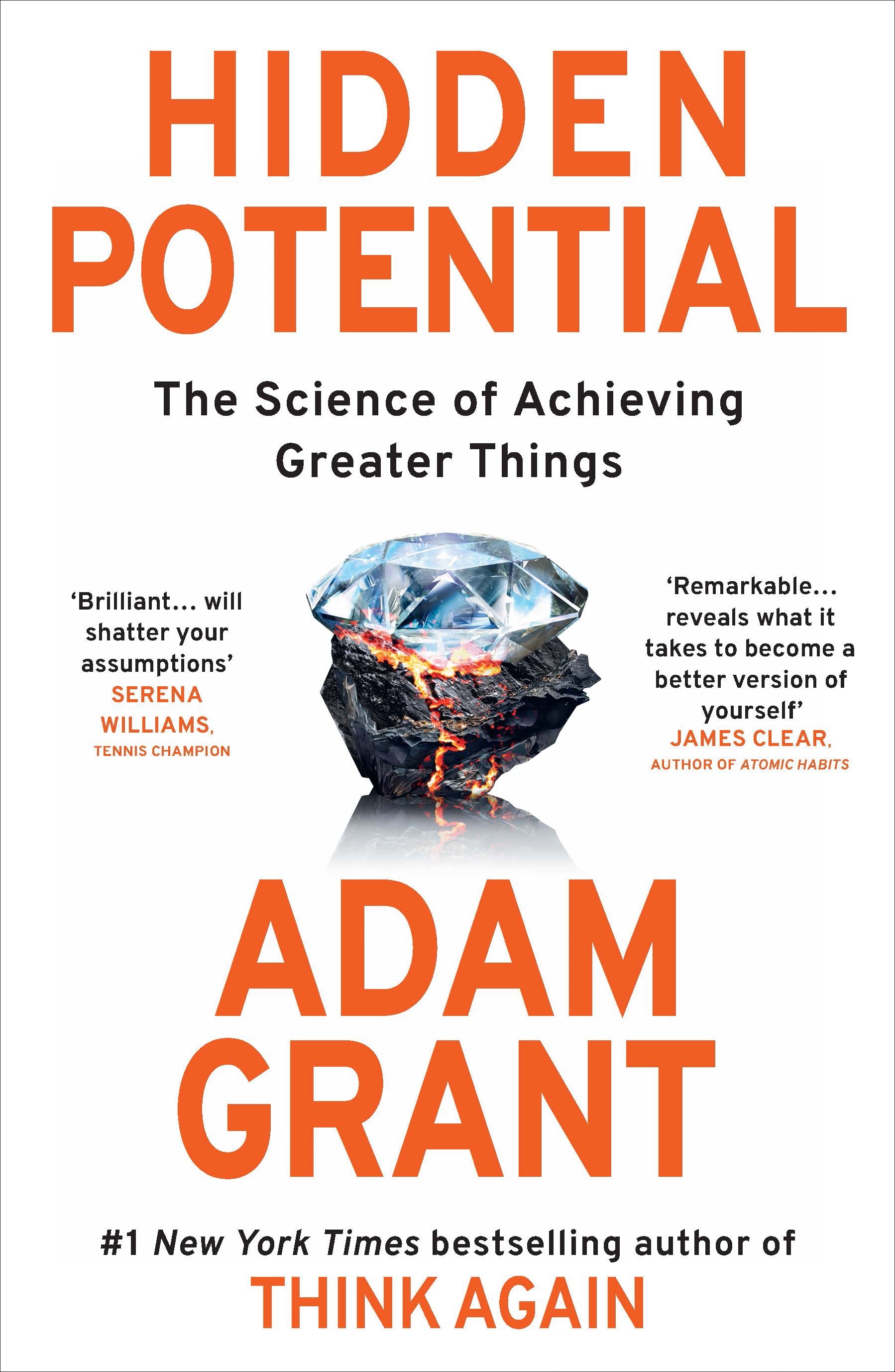
BR 308: Hidden Potential – by Adam Grant

Category: 3 – SHELF it (All Categories are 1 – Read ASAP!, 2 – BUY it!, 3 – SHELF it, 4 – SOMEDAY it)

Comments: A good read.

Insights that resonated: 

(1) “The true measure of your potential is not the peak you reached but how far you climbed to get there.”

(2) Over 8 years, undergraduate students at Northwestern university were assessed on their performance on topics when their introductory class was taught by an “expert” on the topic. These students’ grades in subsequent advanced classes were logged and studied.

The trend of the results was clear – taking an introduction class from an expert decreased performance.

(3) Deliberate play works better than deliberate practice. Steph Curry’s coach believes practice can get monotonous. So his goal is to not have boring in their workouts

1. Read ASAP! · Book Review Actions · Book Reviews · History · Novel Concepts and Interesting Research · Psychology

BR 306: Same as ever by Morgan Housel

Category: 1 – Read ASAP! (All Categories are 1 – Read ASAP!, 2 – BUY it!, 3 – SHELF it, 4 – SOMEDAY it)

Comments: I have been a Morgan Housel fan for over a decade. He’s gone onto earn deserved praise for his exceptional writing style that mixes powerful anecdotes with timeless wisdom about investing and life.

Same as ever is classic Morgan Housel.

Insights that resonated: 

(1) The world isn’t crazier than it was before. With 8 billion people, crazy things every day are inevitable. 

(2) Calm plants the seeds of crazy. If stocks keep going up, the market is going to get too confident. That, then, will lead to a crash.

The world is calmer and safer than ever before – primarily because of the progress we’ve made against deadly diseases thanks to vaccines. But that made us over-confident and thoroughly unprepared for a pandemic. And so on.

Every time this (recession, pandemic, etc.) happens, we will feel the pain of the wound. The wounds will heal but the scars will last.

(3) Slow progress among a barrage of bad news is normal. Bad news is about what happened, good news is invisible because it is about things that didn’t happen. Improvements in heart disease at 1% per year for 70 years saved 25 million Americans. It’d never make the headlines any given year. But, over 7 decades, it is massive.

(4) Plan like a pessimist, dream like an optimist. The key is surviving the short term to make it to the long term. 

(5) It’s supposed to be hard

In 1990, David Letterman asked his friend Jerry Seinfeld how his new sitcom was going. Jerry said there was one frustrating problem: NBC supplied the show with teams of comedy writers, and he didn’t think they were getting much good material from them.

“Wouldn’t it be weirder if they were good?” David asked.

“What do you mean?” Jerry asked.

“Wouldn’t it be strange if they could all just produce reams of hilarious material day after day?”

Recalling the conversation a few years ago, Seinfeld laughed and told Letterman: “It’s supposed to be hard.”

(6) The grass is greener on the other side because it is fertilized by bullshit. You only get the smell when you come close enough. This idea might have been my favorite.

(7) Incentives are the most powerful force in the world.

1. Read ASAP! · Book Review Actions · Book Reviews · Health · Novel Concepts and Interesting Research · Self Improvement

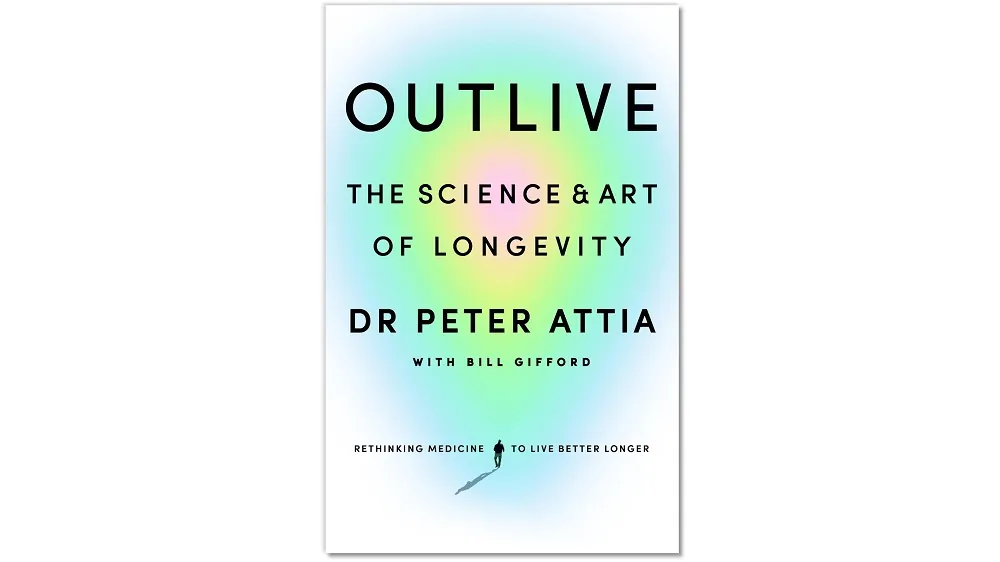
BR 300: Outlive by Peter Attia

Category: 1 – Read ASAP! (All Categories are 1 – Read ASAP!, 2 – BUY it!, 3 – SHELF it, 4 – SOMEDAY it)

Comments: I love that this is book #300 on this blog. It is likely it’ll be among the most impactful books I’ve read in a long time. I saw a review for the book on Amazon that said – “This is a user manual for the body that should be given free at birth.” That may be the best description I’ve come across.

It is a must read.

Insights that resonated: It is hard to distill what I’ve taken away in a couple of paragraphs. The book is a tour de force. There’s very little that is hand wavy. For instance, his case for medicine 3.0 is logical. The combination of scientific method and randomized control trials have made it possible for us to live longer. But, living longer does not equate to a high quality of life. That requires us to take control of our health.

The logic here is simple. He asks an innocent question – what would you like to be able to when you are a centenarian? Would you like to be able to walk unassisted? What about climbing stairs? And what about picking up a child?

Every one of these can be quantified in terms of the fitness levels required when you’re 90. And assuming normal muscle and strength degeneration, you can work backward into the level of fitness you need to have at this time.

The book ends with a powerful end note about Dr. Attia’s own struggles with depression. All in all, it manages to be insightful, powerful, and inspiring.

While I’m still thinking through all the changes I need to make, I’ve been making a few changes already. The biggest area is around freeing up time.

We’re working parents with two young kids who choose to not have any help at home. So, there isn’t much free time lying around. My first significant cut has been watching football/soccer and, perhaps more importantly, abstaining from catching up on news. This may not seem like much – but it is a big long-standing habit change for me. Timing matters – Manchester United’s sad start to the season has made it easier too.

The second is using the free time from a change like the one above to exercise longer every morning and evolve the mix of exercises. I’m still working through the changes here.

The third is around my diet. My ~2.5 years of intermittent fasting is coming to an end. Dr. Attia has made a compelling case for a protein shake and fruit breakfast. So that’s a big change too.

And, finally, I do intend to get to a collection of tests Dr. Attia recommends to get a sense of my risk factors.

I’ll be working on the insights from the book for a long time.

1. Read ASAP! · Book Review Actions · Book Reviews · Novel Concepts and Interesting Research

BR 295: Spoon Fed by Tim Spector

Category: 1 – Read ASAP! (All Categories are 1 – Read ASAP!, 2 – BUY it!, 3 – SHELF it, 4 – SOMEDAY it)

Comments: I think Tim’s work is fantastic – well researched (a good portion of which is his own research), thoughtful, measured, and wise. A must read for anyone looking to make sense of nutrition research.

Insights that resonated: 

At some point 4 years or so ago, someone replied to a post about nutrition/wellness and strongly recommended “The Diet Myth” by Prof Tim Spector. I took 3 things away from that book –

(1) There is no such thing as the “perfect diet” for the “average person.” Our response to food is unique as a function of the gut bacteria that we have in our bodies. And we’re going to be better off eating food that helps us diversify the gut bacteria in our system by eating natural food and avoiding processed food which destroys our gut bacteria. (Prof Spector’s leadership on understanding the gut microbiome and its massive impact on our health has been game changing!)

(2) Fasting is a routine part of ancient cultures because it is good for our system. The idea that snacking has good health benefits is a result of heavy marketing by food companies that have made billions selling snacks.

This inspired me to try 16:8 intermittent fasting (eat during an 8 hour window and fast for 16 hours) – a practice I’ve stuck to since.

(3) Extreme views are rarely helpful as food diversity is helpful (again, gut bacteria!). And food research is really hard given ethical considerations. So, stay curious, keep experimenting, and do your best to make better choices.

So, it was helpful to read Spoon Fed – his next book. It was a reminder of the many lessons from “The Diet Myth” along with a few new ones.

Here’s a summary –

(a) Beware simple fixes to diet and health. Health and nutrition are complex and highly personal. The most important thing we can do is to remain curious about ourselves, our food, the science, and do our best to not be fooled by great marketing.

(b) Eat a diverse diet – with mostly plants and no added chemicals. Sustainably grown/caught meat and fish once a week, for example, work fine. However, the benefits of fish have recently been over-marketed relative to the growing number of health risks associated with the increase in microplastics.

(c) Food companies make billions of dollars marketing food that is either ultra-processed or unnecessary. Examples are processed cereals, health supplements, and multi-vitamin tablets – all of which have questionable health benefits.

The biggest of these head fakes is bottled water. The highest amounts of bottled water are sold in countries with the highest quality tap water. It is a lose-lose-lose.

(d) Understand you’re not average. Experiment with yourself – with meal timing, with different kinds of food, etc., to better understand what works for you. In time, you’ll have the support of apps and tools that help you do so.

(e) It isn’t easy to understand the sustainability of food. Tomatoes grown in season in another continent may be more sustainable than those grown in a greenhouse in the local grower. This is why absolutes don’t work.

(f) Fermented food – e.g., yogurt, cheese – and red wine help us diversify the gut bacteria in our system. Again, as natural as possible.

(g) There are a collection of lopsided incentives that lead to more money and research driven into curing diseases vs. preventing them. Food and nutrition are fundamental to living high quality lives. And it is worth staying curious and investing in understanding what works for you.

(h) In sum – eat a diverse diet – mostly plants, keep it natural and avoid ultra-processed foods, experiment with yourself to understand what works for you, and stay curious.

4. SOMEDAY it · Novel Concepts and Interesting Research · Psychology · Sales

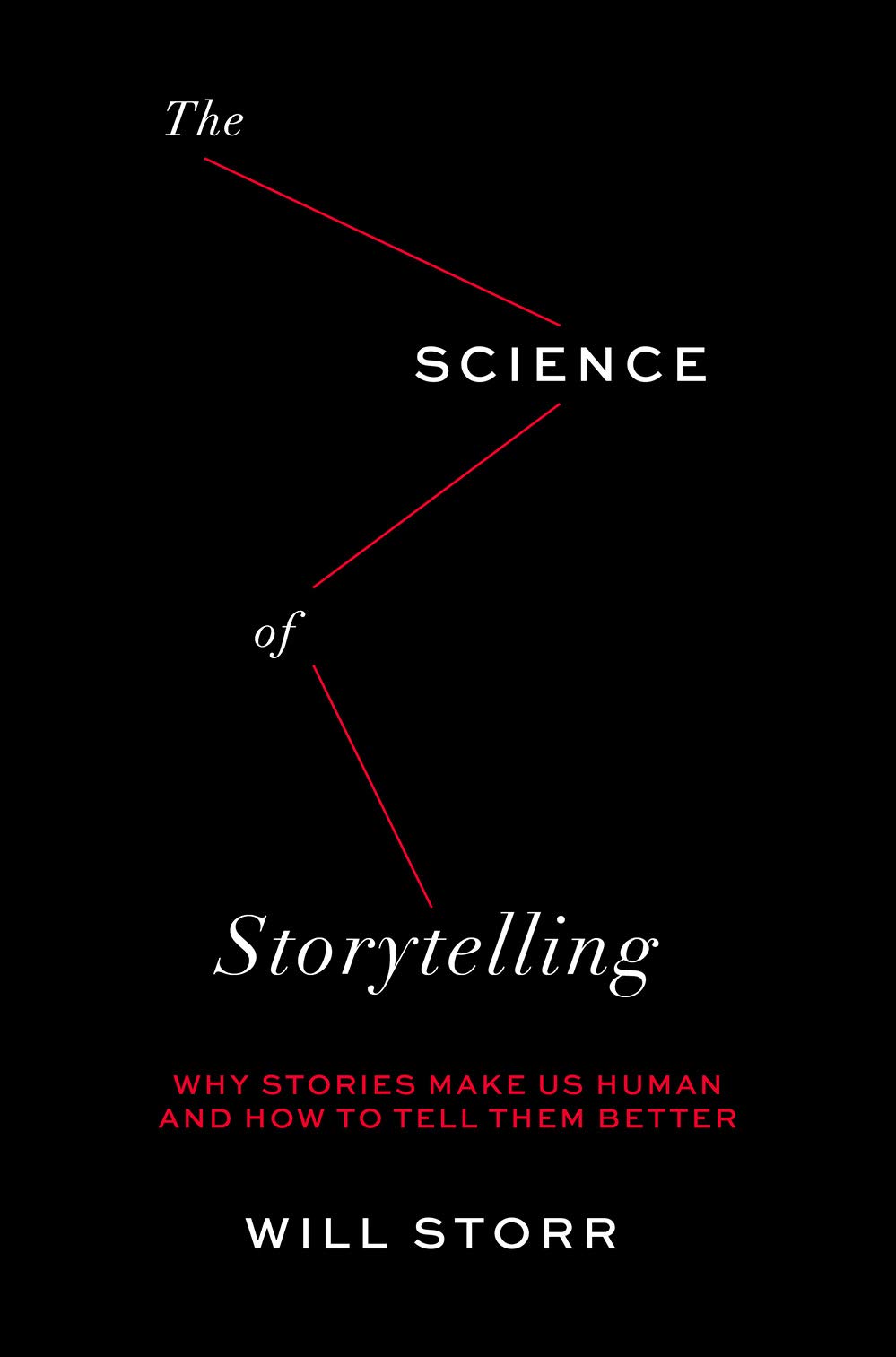
BR 289: The Science of Storytelling by Will Storr

Category: 4 – SOMEDAY it (All Categories are 1 – Read ASAP!, 2 – BUY it!, 3 – SHELF it, 4 – SOMEDAY it)

Comments: Will makes 2 simple points – (1) storytelling makes us human and (2) all story arcs rhyme with the hero’s journey. Use it to tell your stories better.

Insights that resonated: 

(1) “We organize much of our lives around reassuring ourselves about the accuracy of the hallucinated model world inside our skulls.”

(2) The 5 part story arc is: (i) Introduce hero with a system of control, (ii) Hero sees evidence that system of control doesn’t work, (iii) Hero is challenged significantly, (iv) Hero faces a reckoning, (v) Hero emerges changed and in control.

1. Read ASAP! · Book Review Actions · Novel Concepts and Interesting Research · Technology

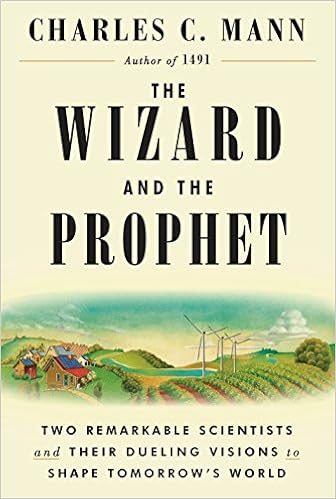
BR 282: The Wizard and the Prophet by Charles C Mann

Category: 1 – Read ASAP! (All Categories are 1 – Read ASAP!, 2 – BUY it!, 3 – SHELF it, 4 – SOMEDAY it)

Comments: I started reading The Wizard and the Prophet after reading this post on Seth’s blog. An excerpt:

Mann has given us a deeply researched narrative, a book that will change the way you see just about everything in the natural world and its relationship with humanity. It’s about an epic struggle and mostly, about our future.

It seems to be about two obscure characters of the 20th century, but it’s not. It’s about each of us and the tools we can choose to bring with us to the future. I found myself switching camps every few minutes.

Seth called it his book of the year. It is definitely up there on my list for the year too.

Charles Mann deconstructs some of the most important issues of our time – including food, water, and climate – and contrasts two approaches to tackling these problems.

The first is the school of sustainability built on the work of William Vogt that asserts that we need to consume less and be more mindful of ecological balance. And the second is the school of innovation built on the work of Norman Borlaug that focuses on innovation as the way out.

The book is incredible thanks to the way Charles Mann interweaves the story of these two men, the tussle between these schools of thought, and the complex challenges ahead of us on issues like food, water, and climate.

Insights that resonated: 

(1) There is no perfect strategy – there are only trade-offs. Both approaches bring trade-offs and there never has been or will be a perfect answer.

(2) When we deal with complex problems that don’t have clear answers, the middle path between the two approaches tends to be the way. That’s because taking the middle path helps us find the relative best of both approaches without necessarily attaching our identity to either.