2. BUY it! · Book Review Actions · Book Reviews · Business · Creativity · Marketing · Novel Concepts and Interesting Research · Psychology · Relationships

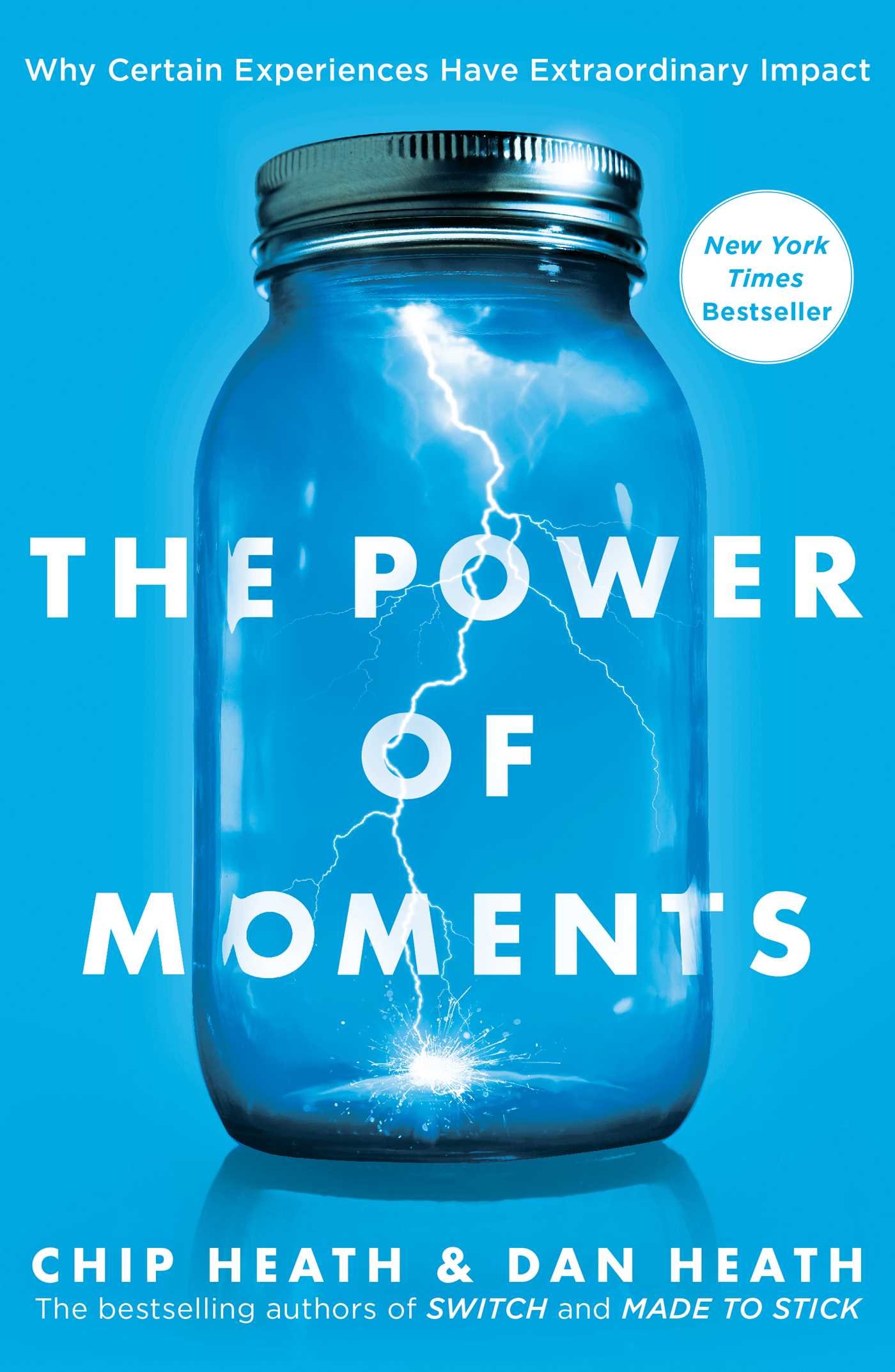
BR 221: The Power of Moments by Chip and Dan Heath

Category: 2 – BUY it!* (All Categories are 1 – Read ASAP!, 2 – BUY it!, 3 – SHELF it, 4 – SOMEDAY it)

Comments: I love books by Chip and Dan Heath. While this book didn’t resonate as strongly as Decisive (their previous book) did, I thought it brought together lessons on a very important topic, Great moments are what we remember in this life. Understanding how these get made is, thus, as important a lesson as any.

Top 3 Lessons:

  1. A formula for excellent mentorship: High expectations + Assurance + Direction + Support
  2. Responsiveness is the key to strong relationships. It means you are attuned to the other person. The idea that physicians ask patients “what matters to you” revolutionized children’s healthcare in Scotland.
    Do we understand what matters to the people we care about? (Deep questions, thus, are a great way to get to know people.)
  3. In the short term, we often choose to fix problems over creating moments. In the long term, that backfires. Moments are not a means to the end, they are the end. They are what we remember in the end.
2. BUY it! · Bio/Autobiographies · Book Review Actions · Book Reviews

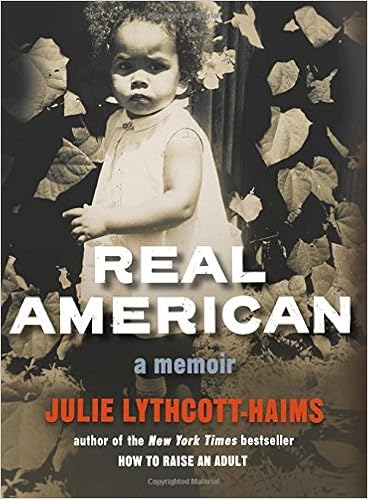
BR 219: Real American: A Memoir by Julie Lythcott-Haims


Category: 3 – SHELF it (All Categories are 1 – Read ASAP!, 2 – BUY it!, 3 – SHELF it, 4 – SOMEDAY it)
*A category 2 – BUY it book if are based in the US

Comments: This is a powerful, often riveting, memoir of a thoughtful, hard working mixed race woman’s experience growing up in the United States. I went to graduate school in the US and had many discussions with friends of various races (often in the same room) about race relations in the US. While all of those brought increased awareness about how things were, this book would have done the job in 6 hours. :)

2. BUY it! · Book Review Actions · Book Reviews · Psychology · Self Improvement

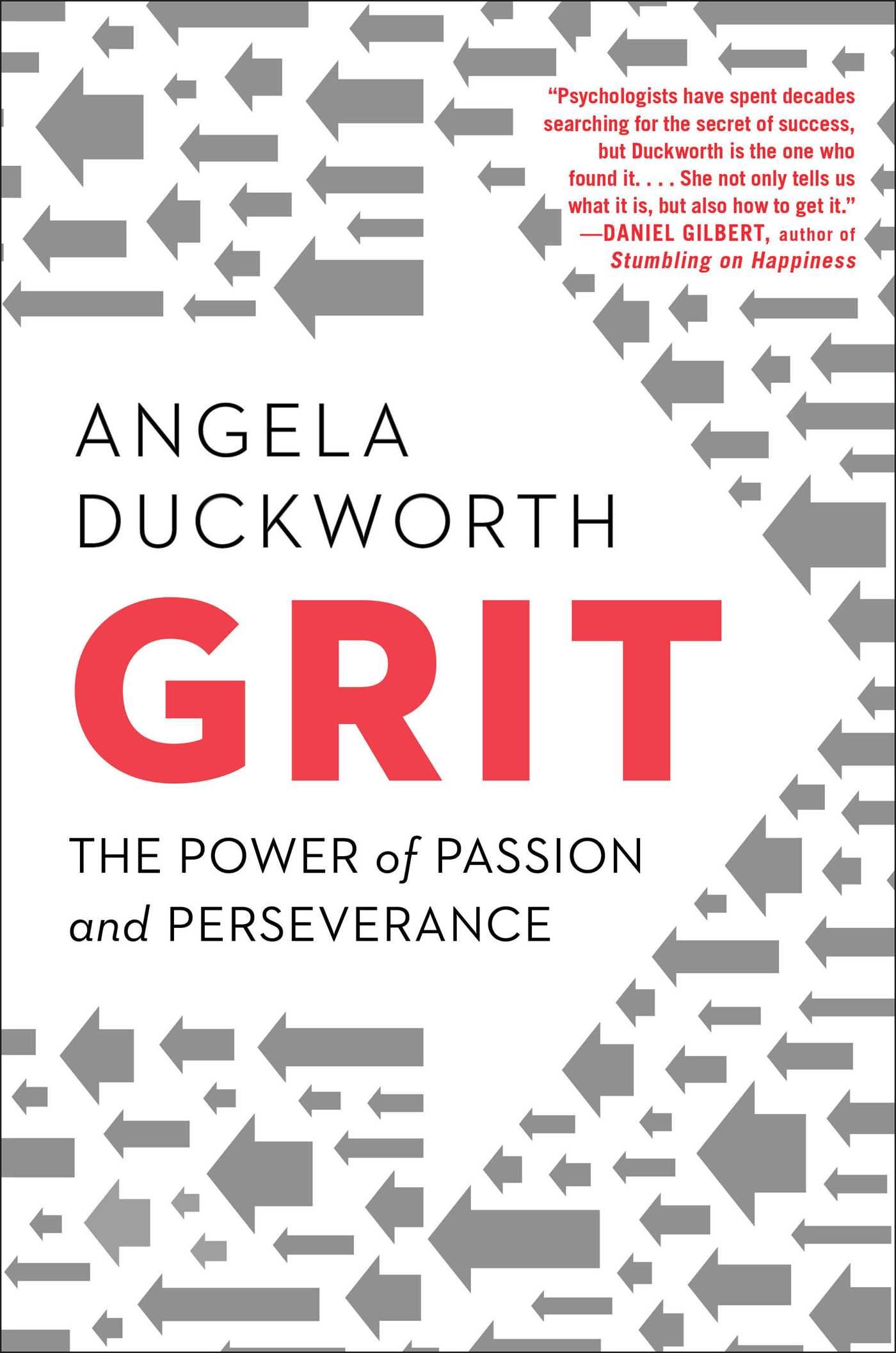
BR 217: Grit by Angela Duckworth


Category: 2 – BUY it!* (All Categories are 1 – Read ASAP!, 2 – BUY it!, 3 – SHELF it, 4 – SOMEDAY it)

Comments: Solid book. Angela Duckworth has clearly done a lot of interesting research and worked with the who’s who in the psychology world. There are moments in the book when grit is over sold – but, I think that comes with the territory of writing a book on the subject.

My view is that grit is a second order virtue. It follows a growth mindset. So, I’d recommend Mindset by Carol Dweck above most psychology books as a result. :)

Top 3 Learnings: 

1. Skill = Talent x effort, Success = Skill x effort

Grit is passion + perseverance.

2. Grit based parenting is combination of high standards and consistent support (clinically – authoritative but can be confused with authoritarian)

3. Jeff Canada – famous for improving outcomes for kids in poverty in New York – did so with a comprehensive approach including summer and after school programs that was based on research. But, he also added one thing that wasn’t based on the research-extracurricular activities. He said he did this because “he liked kids.” He treated kids in his school just like he treated his own. He enjoyed watching them learn and grow. This extra curricular difference illustrates why low income kids have a difficult time catching up. Poorer schools cut these critical programs.

2. BUY it! · Creativity · Skills · Technology

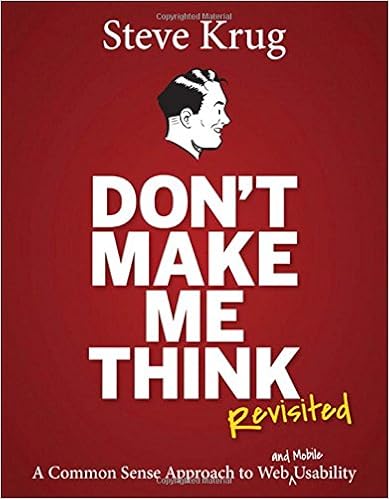
BR 206: Don’t Make me Think by Steve Krug

Category: 2 – BUY it!* (All Categories are 1 – Read ASAP!, 2 – BUY it!, 3 – SHELF it, 4 – SOMEDAY it)
*A category 1 – Read ASAP book if you ever attempt to design a website. I still put it in category 2 because we’re all web design consumers (and, hopefully, creators?) now. :)

Comments: Awesome design book.

Top 3 Learnings:
1. Where possible, stick to design conventions. We are creatures of habit and design conventions go a long way in helping us understand what we should do next.

2. Always prioritize user testing. Simple, continuous, lightweight user testing beats heavy research done every once a while.

3. The question to ask isn’t – what does the average user like? There isn’t an average user.
The question to ask is – Does this feature with these items and this wording in this context on this page create a good experience for most people who are likely to use this site?

2. BUY it! · Novel Concepts and Interesting Research · Psychology · Self Improvement · Skills

BR 205: Smarter, Faster, Better by Charles Duhigg

Category: 2 – BUY it!* (All Categories are 1 – Read ASAP!, 2 – BUY it!, 3 – SHELF it, 4 – SOMEDAY it)

Comments: Solid book. Lots of great stories and a compilation of powerful principles.

Top 3 Learnings:
1. A combination of many interesting studies and a long research project at Google determined that there is one attribute that all high performing teams share – they all enable psychological safety.

2. In all, it remains an intriguing thought: if you want to build a successful company, you should not seek to attract the biggest rock stars. Instead, a loyal orchestra of employees will perform better – provided there is a dissenting tone every once in a while, to keep everyone focused.

3. I found this story incredibly inspiring

Tetsuro Toyoda was visiting NUMMI (a plant in Fremont California that is a joint collaboration between Toyota and GM). He saw Joe, an assembly line worker, struggling to install a taillight. He kept imploring him to pull the Andon cord and stop the assembly line. After many attempts – “Joe, please,” Toyoda said. Then he stepped over, took Joe’s hand in his own and guided it to the andon cord, and together they pulled. A flashing light began spinning.

When the chassis reached the end of Joe’s station without the taillight correctly in place, the line stopped moving. Joe was shaking so much, he had to hold his crowbar with both hands. He finally got the taillight positioned and, with a terrified glance at his bosses, reached up and pulled the andon cord, restarting the line.

Toyoda faced Joe and bowed. He began speaking in Japanese.
“Joe, please forgive me,” a lieutenant translated. “I have done a poor job of instructing your managers of the importance of helping you pull the cord when there is a problem. You are the most important part of this plant. Only you can make every car great. I promise I will do everything in  my power to never fail you again.”

Next day, a dozen pulls happened. And in a week, a hundred. It still cost a lot but given the responsibility, employee motivation increased. Most productive GM plan. Absenteeism decreased from 45% to 3% and productivity soared. NUUMI was legendary.
2. BUY it! · Book Review Actions · Book Reviews · Psychology

BR 197: Daring Greatly by Brene Brown

Category: 2 – BUY it! (All Categories are 1 – Read ASAP!, 2 – BUY it!, 3 – SHELF it, 4 – SOMEDAY it) Comments: This is an important book. If you are interested in understanding topics like shame, vulnerability and insecurity, Brene Brown does a fantastic job putting her research and thinking together. Top 3 learnings: 1. Perfection doesn’t exist with parenting. Labeling good or bad parenting isn’t helpful. Are you engaged? Then make mistakes and have fun! 2. Women and men. Women feel shame due to a plethora of reasons – most dominant of those is their appearance and their ability to be mothers while being capable. Hence the whole pressure to have it all. 3. Men, on the other hand, are shamed by the idea of being a “pussy”. Being weak is seen as shameful. (So true) this is especially the case with the women in their lives who want them to man up more than they want them to be vulnerable. So, men keep silent. And when they are provoked, they either get pissed off or shut down. Book notes here.
2. BUY it! · Book Review Actions · Book Reviews · Business · Novel Concepts and Interesting Research

BR 196: The Signal and the Noise by Nate Silver

Category: 2 – BUY it! (All Categories are 1 – Read ASAP!, 2 – BUY it!, 3 – SHELF it, 4 – SOMEDAY it)

Comments: I think I might have called this a “Priority 1” book if it wasn’t for business school. This was a very good refresher on how to think about predictions and data. As the ultimate data geek, Nate Silver does a very good job introducing us to the world of prediction and statistics.

Top 3 learnings:

1. Sometimes, predictions change the nature of the thing. If everyone is using an app that predicts highway x will have lesser traffic, everyone could end up on highway x.

2. Bayesian approach was to make a small prediction and keep improving on it. Probability was seen by Laplace and Bayes  as a step toward progress. Bayes theorem is concerned with conditional probability. Think probabilistically. Require you to accept that your subjective representations of the world are not truth.

3. Terrorist attacks are similar to earthquakes – high uncertainty. However, when you plot frequency and destruction wrought by terrorist attacks on a double logarithmic scale, it is a straight line!

The broken windows theory was embraced in the US despite limited scientific evidence perhaps because it is easier for police to imprison a 16 year old with drugs than solve a difficult crime.

Israel has taken the opposite approach – it treats small acts of terror as normal but has worked hard to eliminate large threats. Israel’s power law distribution curve looks different from what you might expect – due to their strategic choices.

Book notes here.

2. BUY it! · Book Review Actions · Book Reviews · Technology

BR 190: The Inevitable by Kevin Kelly

Category: 2 – BUY it! (All Categories are 1 – Read ASAP!, 2 – BUY it!, 3 – SHELF it, 4 – SOMEDAY it) Comments: The Inevitable is a fascinating book – a must read if you are interested in technology. I think Kevin Kelly has structured the book very well. The book focuses on verbs instead of trends. Kevin Kelly takes a collection of 12 verbs that technology has enabled (e.g. sharing, tracking) and imagines what the world would look like if we took the verbs to their natural end. Top 3 learnings: 1. The biggest challenge with developing artificial intelligence is that we have to redefine how we think about intelligence. Driving a car requires an intelligence that is very different from the playing chess. Over time, as we break up these tasks, we’ll find that AI can solve problems in ways that are very different from how we’d solve them. Most of our jobs will go away. Our main role will be figuring out what the machines will do for us. 2. Expect screens and augmented reality to be everywhere. So, we will expect to interact with anything and everything as we’ll expect anything and everything to have a screen. AR glasses are likely going to be something that everyone wears. 3. The singularity might be a reality. Because, as machines consume more data, they will inevitably be able to do things that the human mind can’t. While the optimists focus on a future where machines and humans co-exist, who is to say that needs to be true? In many ways, we’re only at the beginning. Thus, the future may unfold very differently from what we expect. Book notes here.
2. BUY it! · Book Review Actions · Book Reviews · Money

BR 188: The Only Investment Guide You’ll Ever Need by Andrew Tobias

Category: 2 – BUY it! (All Categories are 1 – Read ASAP!, 2 – BUY it!, 3 – SHELF it, 4 – SOMEDAY it) Comments: The Only Investment Guide You’ll Ever Need was a recommendation on Seth’s blog. I picked it up at a time when I needed a bit of a refresh on all things investments since I’d taken all money off indexes to pay for graduate school. It was nice to “get back” with this book and, as with all Seth recommendations, this didn’t disappoint. It definitely lives up to its name as the “only” investment guide you’ll ever need. It is witty, smart and worth following. If this topic interests you, do check out a learnographic I co-created here. Top 3 Learnings: 1. A penny saved is a lot more valuable than a penny earned. The quote from Benjamin Franklin was from a time when there were no taxes. Now that we live with taxes, it actually takes a lot more than a penny earned to save a penny. So, spend less than you earn, save and watch it grow. This is a lesson that has stuck with me since the book. 2. When there are too many borrowers, governments raise interest rates. This means bond prices fall. When there are less borrowers, bond prices go up. High interest rates tend to affect stocks since they discourage people from investing in risky stocks. They also affect business’ cost of borrowing. 3. Keep short term money somewhere safe and convenient. Then, invest long term money in stock indexes where you must buy low, buy low, buy low. This is opposite what everyone else does. A simple vanguard index will outperform everything else in the long run. I would still recommend reading 2-3 investment guides before you zero in on your investing strategy. That is not because the advice in the only investment guide is any different. However, if you haven’t been exposed to this world before, it is reassuring to see the same principles at work everywhere. Book notes here.
2. BUY it! · Book Review Actions · Book Reviews · Philosophy

BR 183: The Road Less Traveled by Scott Peck

Scott Peck

Category: 2 – BUY it! (All Categories are 1 – Read ASAP!, 2 – BUY it!, 3 – SHELF it, 4 – SOMEDAY it)

Comments: This is a legendary psychology book for good reason. Some of the insights are truly profound. However, I found the first half of the book a LOT better than the second half. The second half starts delving into psychotherapy territory with Scott Peck’s thoughts on religion. I found this part less interesting.

All said and done, Scott Peck’s definition of love (below) has changed the way I think about it.

Top 3 Learnings:

1. “Love is the will to extend one’s self for the purpose of nurturing one’s own or another’s spiritual growth.”

To love, then, requires us to use our will to extend ourselves to grow and to enable the growth of others. It begins with learning to love ourselves. To love ourselves, we have to sign up for a journey toward continuous growth of the mind and spirit. In doing so, we expand our capacity to love others. But, to truly love others, we must be able to help them on their own journeys.

2. “The best decision-makers are those who are willing to suffer the most over their decisions but still retain their ability to be decisive.”

3. “Life is difficult.
This is a great truth, one of the greatest truths. It is a great truth because once we truly see this truth, we transcend it. Once we truly know that life is difficult-once we truly understand and accept it-then life is no longer difficult. Because once it is accepted, the fact that life is difficult no longer matters.”

Book notes here (not much more beyond these notes above)